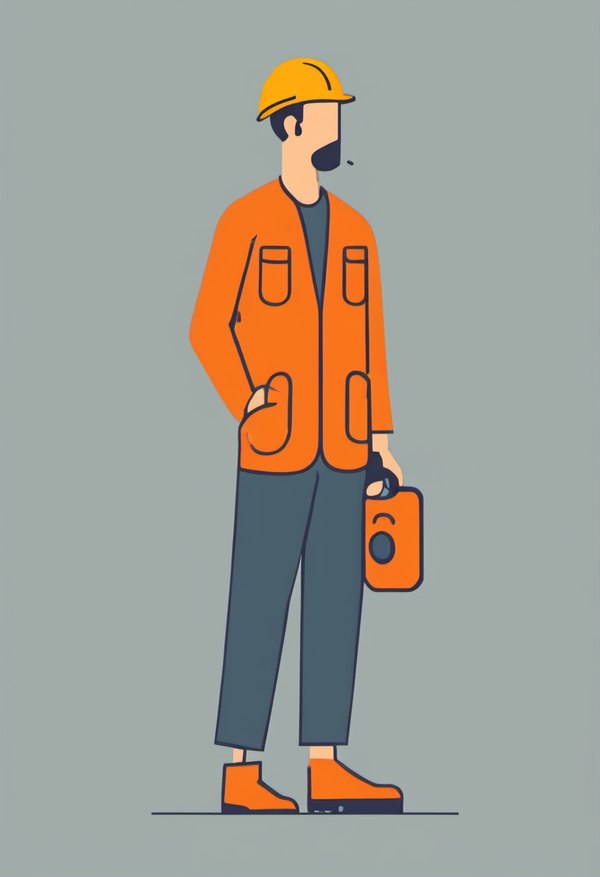
ISTP
The Drill
Take it apart and you'll know
You understand a thing by handling it. You skim the manual, if that, and open it up first. You don't talk much, but when something breaks you're usually the one who finds the fault fastest — because you don't guess, you test. You dislike being bound by process and meetings, and titles don't move you much. Your standard for judging someone is simple: can they actually do the thing.
Where you move easily
- In a crisis you're unusually calm — while others are panicking, you're already diagnosing.
- You have strong intuition for tools, mechanisms, and how systems run, and you pick up something new far faster than most.
- You aren't swayed by mood or allegiance; you look at the problem itself.
What it tends to cost
- You don't say what you see no need to say, but nobody can read information out of your silence — only coldness.
- Long-range planning bores you, so windows close while you're still deciding whether to reach for them.
- Facing emotion, your instinct is to withdraw or to fix, when what's wanted is usually for you to stay put.
At work
You need hands-on substance, independent space, and as few meetings as possible. Pure coordination or paperwork drains you badly. You suit problem-driven work — a broken thing activates you more than a roadmap does. But make yourself report progress, or you'll do a great deal that nobody knows about.
In relationships
You show care by acting: their car got fixed, their errand got handled. That's your language. The trouble is many people don't speak it, and it needs translating occasionally. You need a lot of personal space — best said early and plainly, or your withdrawal gets read as indifference.
Worth trying
- Once a week, volunteer what you're working on and where it's got to.
- When they're upset, sit with them ten minutes before offering a solution.
- Set a goal three months out for something that matters. Write it down.